

Building healthy eating habits supports energy, resilience, and long-term well-being without requiring rigid rules or extreme restriction. Current nutrition guidance centers on whole, nutrient-dense foods as the foundation of daily meals. Prioritizing protein, vegetables, fruits, dairy, healthy fats, and whole grains while limiting highly processed items, added sugars, and refined carbohydrates creates a flexible pattern that fits real life and promotes better health outcomes across different ages and activity levels.
Focus on Whole, Nutrient-Dense Foods
The strongest foundation for everyday wellness comes from choosing foods that deliver essential nutrients with minimal processing. Build meals around protein sources such as eggs, seafood, poultry, lean meats, beans, lentils, nuts, and seeds. Include dairy or fortified alternatives, preferably without added sugars. Fill plates with a variety of vegetables and fruits in their whole forms, and incorporate healthy fats from sources like avocados, olives, nuts, seeds, and certain oils.
Whole grains such as oats, brown rice, quinoa, and whole-wheat products provide fiber that supports digestion and sustained energy. Aim to include foods from these core groups most days. Patterns that emphasize plants, quality protein, and minimally processed ingredients—similar to Mediterranean-style or DASH approaches—align well with these principles and have been linked to better overall health markers.
Prioritize Protein at Every Meal
Including protein with each meal helps with satiety, muscle maintenance, and steady energy. Options range from animal sources like eggs, yogurt, fish, and poultry to plant-based choices such as beans, lentils, tofu, and nuts. Spreading protein across the day is more effective than concentrating it in one large serving. Pairing protein with fiber-rich vegetables or whole grains further supports fullness and blood sugar balance.
Eat Vegetables and Fruits Throughout the Day
Vegetables and fruits supply vitamins, minerals, fiber, and beneficial plant compounds. Focus on whole forms rather than juices or heavily processed versions. Aim for variety in colors and types to cover a broader range of nutrients. Adding vegetables to eggs, soups, or grain bowls, and choosing fruit for snacks or yogurt toppings, makes it easier to increase intake without major changes to routines.
Choose Healthy Fats and Limit Processed Options
Healthy fats from whole-food sources support hormone function, nutrient absorption, and satisfaction with meals. Include nuts, seeds, avocados, olive oil, and fatty fish regularly. At the same time, reduce highly processed foods that often contain excess added sugars, refined carbohydrates, sodium, and artificial additives. These items tend to be less filling and can displace more nutritious choices.
Reading labels helps identify products with long ingredient lists or high amounts of added sugars. Swapping packaged snacks for simple combinations of fruit, nuts, or yogurt, and choosing water or unsweetened beverages over sugary drinks, are practical steps that improve overall diet quality.
Build Sustainable Daily Habits
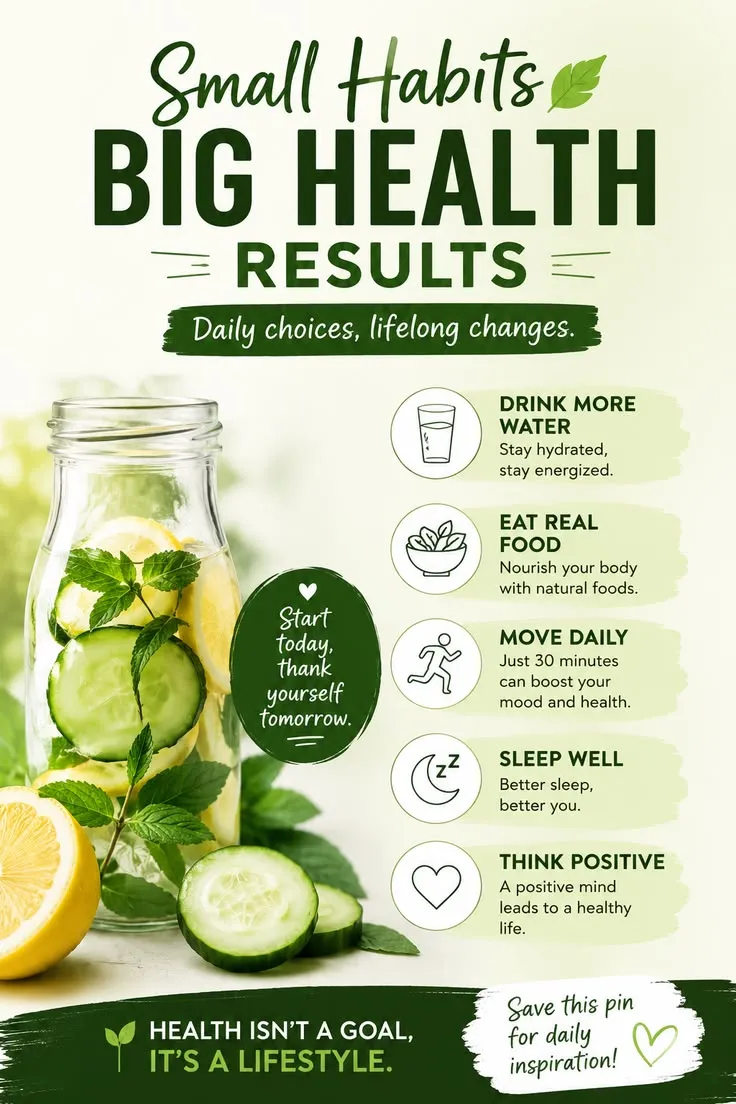
Small, consistent actions create lasting change. Start by adding one extra serving of vegetables or fruit to current meals. Replace refined grains with whole-grain versions where possible. Plan simple protein-centered breakfasts, such as Greek yogurt with berries or eggs with vegetables. Keep easy options available—pre-cut produce, canned beans, frozen vegetables, or hard-boiled eggs—to reduce reliance on less nutritious convenience foods.
Pay attention to portion sizes and individual energy needs based on age, sex, body size, and activity level. Hydration matters; water and unsweetened drinks support overall function better than sugar-sweetened options. Limiting alcohol also contributes to better health outcomes.
Cooking more meals at home gives greater control over ingredients. When eating out or using prepared foods, look for options built around whole ingredients and balanced plates that include protein, vegetables, and whole grains.
Make It Enjoyable and Flexible
Healthy eating works best when it feels sustainable and enjoyable. Allow room for preferred foods in moderation rather than aiming for perfection. Cultural traditions, budget considerations, and personal preferences can all fit within a nutrient-dense framework. Focus on progress—more whole foods, more plants, more protein, fewer ultra-processed items—rather than strict elimination.
Over time, these habits support better energy, digestion, immune function, and reduced risk of chronic conditions. The goal is a pattern of eating that nourishes the body consistently while remaining realistic for everyday life. By centering meals on real, nutrient-rich foods and making gradual adjustments, anyone can build habits that contribute to lasting wellness.
Read more – gloryhouseworld.com