
Owning a car offers convenience, comfort, and freedom, but keeping it in good condition requires regular care. Whether you drive your vehicle every day or use it occasionally, proper car maintenance helps improve reliability, maintain safety, and reduce the risk of unexpected breakdowns. Ignoring small problems can allow them to develop into expensive repairs over time.
The good news is that many essential car maintenance tasks are simple enough to perform at home. Checking tire pressure, monitoring fluid levels, keeping the battery in good condition, and following the recommended service schedule can make a meaningful difference to your vehicle’s performance.
In this guide, we will explore 10 essential car maintenance tips every owner should know to keep their vehicle running smoothly and safely.
1. Check Engine Oil Regularly
Engine oil plays an important role in protecting the moving parts inside your car’s engine. It lubricates components, helps reduce friction, and carries heat away from certain engine parts. Over time, oil becomes contaminated and loses some of its effectiveness, making regular checks and timely oil changes essential.
Check your engine oil according to the instructions in your owner’s manual. For vehicles with a dipstick, park on level ground, switch off the engine, and follow the manufacturer’s recommended waiting time before checking the oil level. Some modern cars use electronic oil-level monitoring instead.
Always use the recommended oil grade and specification for your vehicle. Do not wait for an oil warning light before paying attention to maintenance. If you notice frequent oil loss, unusual engine noise, or an oil leak, have the vehicle inspected by a qualified mechanic.
2. Maintain the Correct Tire Pressure
Tires directly affect your car’s handling, braking, fuel efficiency, and overall road safety. Incorrect tire pressure can contribute to uneven wear, poor performance, and an increased risk of tire damage.
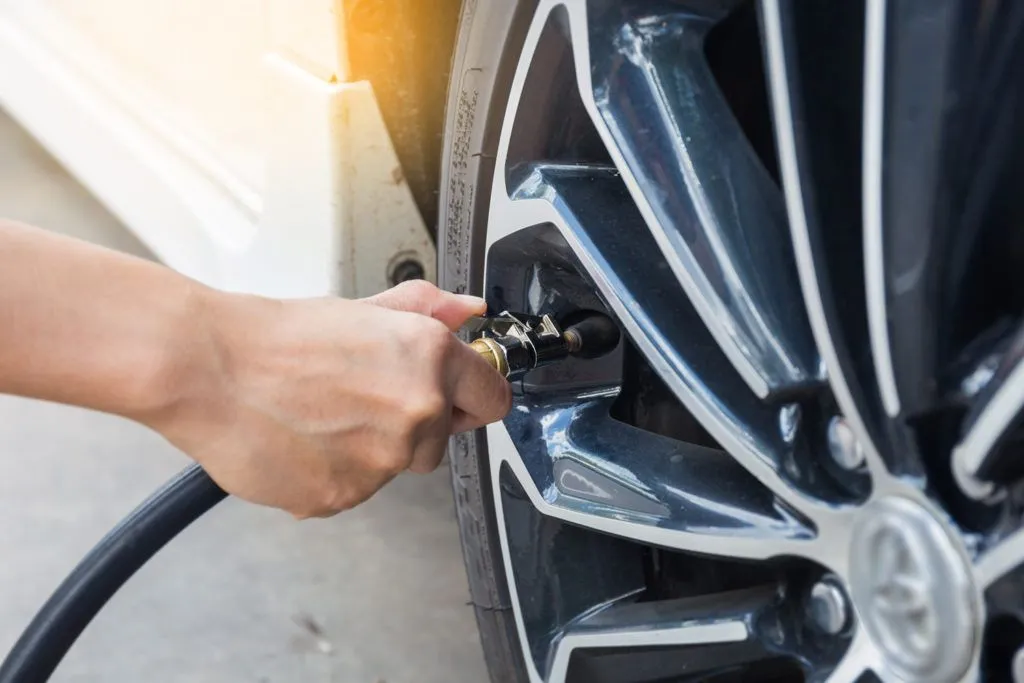
Check the pressure of all four tires at least once a month and before long journeys. Measure it when the tires are cold for a more accurate reading. The correct pressure is generally listed on the driver’s door-frame label or in the owner’s manual, rather than on the tire sidewall, which typically displays the tire’s maximum pressure information.
Do not forget to inspect the spare tire if your vehicle has one. Also, look for cuts, cracks, bulges, punctures, and uneven tread wear. Maintaining the recommended pressure can help extend tire life and support better fuel economy.
3. Follow the Recommended Service Schedule
Every vehicle has a maintenance schedule designed around its engine, components, driving conditions, and manufacturer requirements. Following this schedule helps identify developing problems before they become more serious.
Routine servicing may include oil and filter changes, fluid inspections, brake checks, tire rotation, and other vehicle-specific maintenance. The correct service intervals can vary depending on the model, age, mileage, and whether you frequently drive in heavy traffic, dusty environments, or extreme temperatures.
Keep records of completed services, repairs, and replaced parts. These records make it easier to track upcoming maintenance and can be useful when selling the vehicle. If you have recently purchased a used car, review its service history and arrange an inspection if important maintenance details are missing.
4. Inspect the Brakes for Warning Signs
Your car’s braking system is one of its most important safety features. Regular inspections help ensure that the brakes can perform effectively when you need to slow down or stop.
Pay attention to warning signs such as squealing or grinding noises, vibrations while braking, a brake pedal that feels unusually soft, or the vehicle pulling to one side. These symptoms may indicate worn brake pads, damaged components, or another problem that needs professional attention.
Check the brake fluid according to your vehicle’s maintenance instructions. If the brake warning light appears or braking performance changes suddenly, do not ignore it. Stop in a safe place and arrange a professional inspection before continuing if the vehicle may be unsafe to drive.
Avoid postponing brake repairs simply because the car still appears to stop normally. Early diagnosis can help prevent further damage and protect you and other road users.
5. Keep the Car Battery in Good Condition
The car battery supplies electrical power needed to start conventional vehicles and supports many electrical systems. A weak or poorly maintained battery can cause starting problems, particularly when the vehicle has been parked for an extended period.
Look for signs such as slow engine cranking, dim headlights, electrical issues, or repeated difficulty starting the car. Keep the battery terminals clean and have the battery and charging system checked when necessary.
Battery maintenance requirements depend on the battery type. Some batteries require electrolyte-level checks, while sealed batteries generally do not need this type of maintenance. Follow the manufacturer’s guidance and avoid handling battery acid or electrical connections unless you know the correct safety procedures.
If your battery repeatedly loses charge, ask a qualified technician to check both the battery and charging system. Replacing the battery without identifying an underlying charging problem may not solve the issue.
6. Monitor Coolant and Other Essential Fluids
Your car relies on several fluids to operate safely and efficiently. Engine coolant helps regulate temperature, brake fluid supports braking performance, and transmission fluid lubricates and protects transmission components in vehicles that use it.
Check the relevant fluid levels at the intervals recommended by your manufacturer. Look for puddles beneath the parked car and inspect accessible areas for signs of leakage, following the safety instructions in your owner’s manual.
Never open a hot cooling system, as pressurized coolant can cause severe burns. Allow the engine to cool completely before checking the coolant reservoir. Use the specified coolant type rather than mixing products without confirming compatibility.
Also, maintain windshield washer fluid so you can clean the glass when dust, mud, or road spray reduces visibility. If you notice recurring fluid loss, overheating, or an unusual temperature reading, have the cause investigated promptly.
7. Replace Air Filters When Necessary
Air filters help protect your engine from dust and other airborne particles. A clogged engine air filter can restrict airflow, while a dirty cabin air filter may reduce ventilation and affect the air entering the passenger compartment.
Check both filters according to the maintenance schedule for your vehicle. Replacement intervals vary depending on the design of the filter, driving conditions, and the manufacturer’s recommendations. Cars frequently driven on dusty roads may need more frequent inspections.
The engine air filter and cabin air filter perform different jobs, so replacing one does not mean the other is clean. If airflow from the air-conditioning vents becomes weaker or unpleasant odors develop, the cabin filter may need attention, although other faults can cause similar symptoms.
Use the correct replacement filter for your model and ensure it is fitted properly. Avoid assuming that a dirty-looking filter always requires immediate replacement without considering the manufacturer’s guidance and the filter’s condition.
8. Check Lights, Indicators, and Windshield Wipers
Clear visibility and working lights are essential for safe driving, especially at night, in rain, and in poor weather. Regularly check your headlights, tail lights, brake lights, indicators, and reversing lights.
Ask someone to observe the exterior lights while you operate the relevant controls, or use a safe reflective surface to check them where practical. Replace faulty bulbs or arrange repairs for electrical problems. Keep headlights, mirrors, and windows clean to improve visibility.
Windshield wipers also need regular attention. If they leave streaks, skip across the glass, make unusual noises, or fail to clear water properly, inspect the blades and replace them when necessary. Check washer fluid levels and make sure the washer system works.
Do not wait for heavy rain to discover that your wipers are ineffective. A few minutes of routine inspection can help prevent visibility problems during an unexpected downpour.
9. Maintain Tire Alignment and Rotation
Tire rotation and wheel alignment are important parts of vehicle maintenance that help improve tire life and driving stability. Although these services are related, they address different issues.
Tire rotation involves changing the positions of the tires according to the manufacturer’s recommended pattern. This helps manage differences in tire wear caused by steering, braking, and the distribution of vehicle weight.
Wheel alignment involves adjusting the angles of the wheels to the specified settings. Incorrect alignment can cause uneven tire wear, affect handling, or make the vehicle pull to one side.
If your steering wheel vibrates, the car drifts on a straight road, or the tire tread wears unevenly, arrange an inspection. These symptoms can have several causes, so a qualified technician should determine whether rotation, alignment, balancing, or another repair is needed.
Follow the service intervals in your owner’s manual rather than assuming that every vehicle requires the same schedule.
10. Keep Your Car Clean and Check for Unusual Changes
Regular cleaning is not just about maintaining your car’s appearance. Dirt, road grime, bird droppings, and other contaminants can affect the paintwork if left untreated. Cleaning the exterior and keeping the interior tidy also makes it easier to notice new damage or potential problems.
Wash your car when necessary, clean the windows and mirrors, and remove dirt from areas where it accumulates. Pay attention to the underside when appropriate, particularly after driving through muddy or contaminated conditions. Use cleaning products suitable for automotive surfaces.
Along with cleaning, develop the habit of noticing changes in your car’s behavior. Unusual sounds, new vibrations, warning lights, fluid spots, burning smells, or changes in fuel consumption may indicate a developing issue.
Do not ignore dashboard warning lights or rely on simply restarting the vehicle to make them disappear. Check the owner’s manual and arrange professional diagnosis when required. Addressing problems early can help reduce the risk of more extensive damage.
Bonus Tip: Keep a Basic Car Emergency Kit
Even a well-maintained vehicle can experience unexpected problems. Keeping a basic emergency kit in your car can help you respond more effectively when something goes wrong.
Consider carrying a first-aid kit, flashlight, reflective warning triangle where appropriate, tire pressure gauge, phone charger, and basic roadside emergency supplies. A spare tire and the necessary tools should also be available if your vehicle is equipped for changing a wheel.
Check the condition of these items occasionally, and make sure you understand how to use them safely. If you experience a breakdown, move to a safe location when possible and contact roadside assistance when needed.
Conclusion
Regular car maintenance is essential for improving vehicle reliability, supporting road safety, and avoiding preventable repair costs. Simple habits such as checking engine oil, maintaining tire pressure, inspecting brakes, monitoring fluids, and following the recommended service schedule can help keep your car in good condition.
The most effective approach is to combine regular visual checks with professional servicing at the intervals specified by your vehicle manufacturer. Remember that maintenance requirements differ between petrol, diesel, hybrid, and electric vehicles, so always follow the instructions designed for your particular model.
By making car maintenance part of your routine, you can identify potential problems earlier, protect important components, and enjoy a more dependable driving experience for years to come.
Read More: marathimeanings.com