
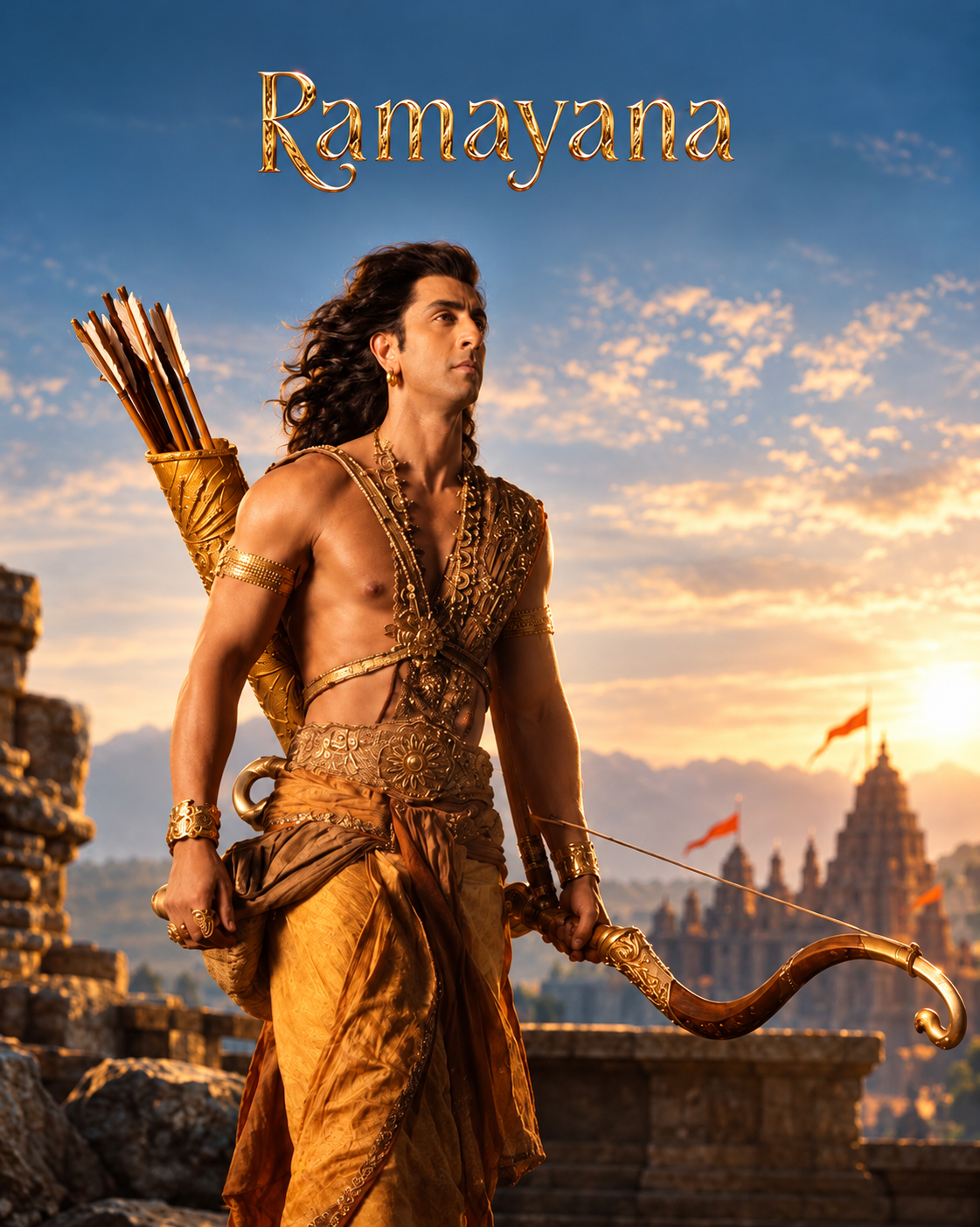
Producer Namit Malhotra has outlined an expansive vision for the upcoming Ramayana films, describing them as the foundation of a much larger entertainment universe rooted in Indian mythology. Speaking at the Telugu pre-release event, he made clear that the project is not intended as a limited two-part cinematic adaptation but as the starting point for a franchise that could span multiple formats and platforms.
The first instalment, directed by Nitesh Tiwari, is scheduled for worldwide release on 5 November 2026. Its world premiere is set for 27 October at the Academy Museum of Motion Pictures in Los Angeles. A second part is planned for Diwali 2027. Yet Malhotra’s remarks focused less on the immediate theatrical window and more on the long-term architecture he hopes to build around the epic.
Beyond Two Films: A Broader Franchise Strategy
Malhotra stated that the goal is not to produce one or two movies and conclude the story of Rama. Instead, the films are designed to open different areas of engagement with the material. A behind-the-scenes video shared at the event reinforced the message that the movies represent only the beginning.
The expansion plan includes character-focused spin-offs. Projects centred on Hanuman, Surpanakha, Jatayu, Indrajit and Angad were specifically teased, with the possibility of origin stories, television series and animated features. These spin-offs would allow individual characters and side narratives from the vast epic to receive dedicated treatment while remaining connected to the core cinematic universe.
Games, Merchandise and Immersive Experiences
Video games form a significant part of the proposed ecosystem. The producers envision interactive experiences that let audiences engage with the world of the Ramayana beyond the screen. Alongside games, a comprehensive merchandise line is planned, covering apparel, toys, gadgets and home furnishings.
Theme-park attractions are also on the roadmap, aiming to create physical experiences that bring elements of the epic to life for visitors. Virtual reality, augmented reality and metaverse projects are further intended to extend immersion. A Broadway musical adaptation has been mentioned as another potential avenue for reaching global audiences through live performance.
Positioning Against Global Franchises
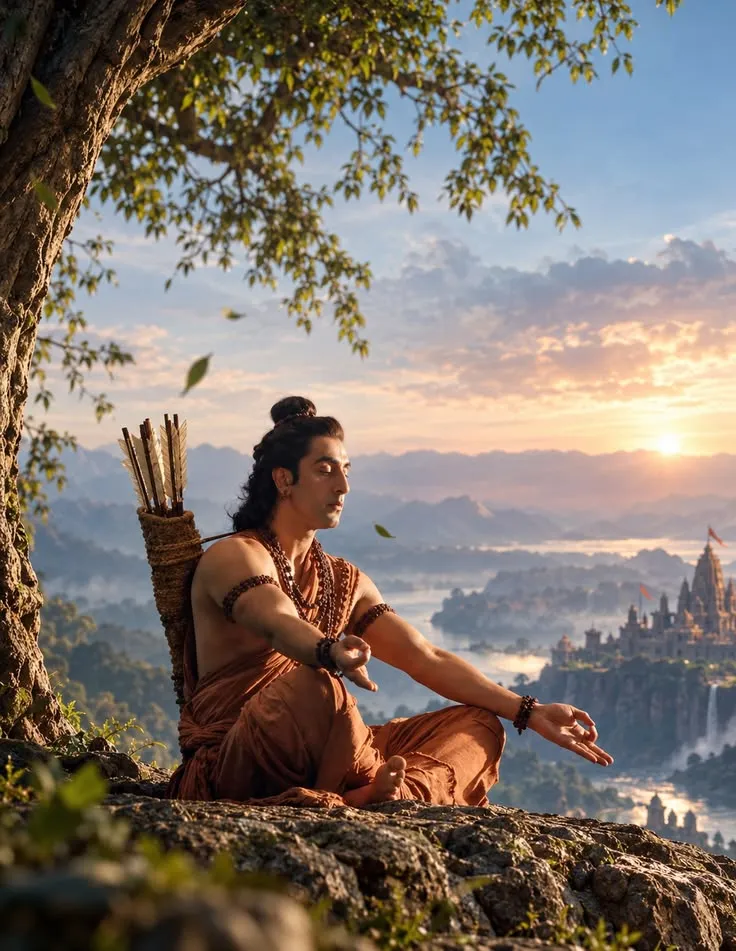
Malhotra drew direct comparisons with established Hollywood properties. He noted that Star Wars, Marvel and DC each constructed expansive universes and then asserted that the Ramayana itself constitutes a universe of comparable or greater scale. A substantial portion of the production effort, he said, went into conveying the depth and breadth of the epic to international collaborators.
The films feature a high-profile cast, with Ranbir Kapoor as Rama, Sai Pallavi as Sita, Yash as Ravana and Sunny Deol as Hanuman. Music is being composed by Hans Zimmer and A.R. Rahman. Visual effects are handled by DNEG, the company associated with Malhotra. The production has also referenced proprietary technology aimed at delivering performances across multiple languages.
Timing and Ambition
The detailed public presentation of the franchise vision arrives shortly before the first film’s premiere and theatrical release. By outlining spin-offs, games, theme parks and other extensions at this stage, the producers are signalling that commercial and cultural success of the initial films will be used to unlock further chapters.
Such multi-format strategies are familiar in global entertainment, where successful properties expand into merchandising, attractions and secondary storytelling. Applying that model to one of the foundational texts of Indian culture represents an attempt to translate a widely known narrative into a sustained, cross-platform brand.
Challenges and Opportunities
Building a universe of this scope depends first on the reception of the two announced films. Audience response, critical assessment and commercial performance will determine how quickly and extensively the additional projects can move forward. The scale of the source material offers abundant narrative possibilities, yet translating that richness into coherent, high-quality extensions across media remains a substantial creative and logistical undertaking.
For now, the focus remains on the November release of Ramayana Part 1 and the subsequent second instalment. The producer’s comments, however, make clear that the ambition extends well beyond those two titles. If realised, the plan would place the Ramayana among the most extensively developed mythology-based entertainment properties in contemporary cinema, spanning screens, interactive platforms, live experiences and physical destinations.
The coming months will reveal how the first film is received and whether the broader universe Malhotra described begins to take concrete shape.
Read more – wishdua.com